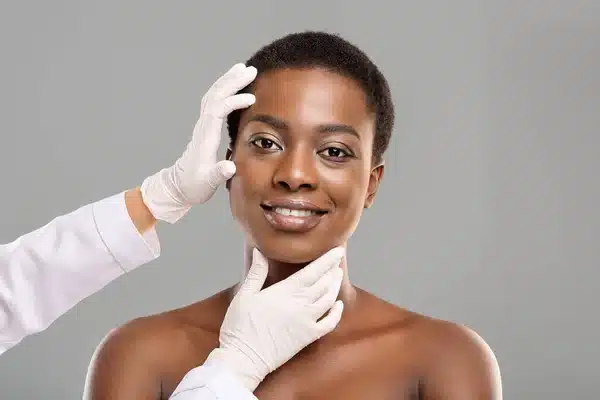


Over 60% of adults notice nasolabial folds as the first signs of ageing, yet many remain unaware of what can be done about them. These creases run from the sides of the nose down to the corners of the mouth and are a natural part of our facial structure, becoming more pronounced with age. Tackling nasolabial folds doesn’t have to be daunting; with the right approach, reducing their appearance is entirely possible. This blog delves into effective strategies for managing nasolabial folds, offering insights into preventative measures, skincare routines, and when to consider professional treatment options.
Nasolabial Folds Overview
Definition
Nasolabial folds are distinct creases that run from each side of the nose down to the corners of the mouth. Often referred to as laugh or smile lines, these features are a common aspect of the human face. They become more pronounced with age, marking a natural part of the ageing process. While some may seek ways to lessen their appearance, it’s important to understand that nasolabial folds are a normal facial characteristic.
Commonality
Nasolabial folds spare no one. They appear in both men and women across all races, becoming more noticeable as we grow older. This universality underscores their role as a natural feature of human anatomy. Besides age, genetics also play a crucial role in determining their prominence. Some individuals might notice deeper nasolabial folds due to genetic predisposition, indicating that these features can be inherited.
The increasing commonality of nasolabial folds with age highlights an important aspect of our shared human experience. It serves as a reminder that ageing is a universal journey, with changes in our skin and facial structure being inevitable milestones along this path.
Symptoms
Initially, nasolabial folds may present as dynamic lines, only appearing with facial movements such as smiling or laughing. Over time, however, they can evolve into static lines that remain visible even when the face is at rest. This progression from dynamic to static underscores the deepening nature of these folds with age.
It’s not uncommon for individuals to observe asymmetry in their nasolabial folds. One side may be more pronounced than the other, adding a unique character to each person’s facial expression. Moreover, deeper nasolabial folds can significantly impact one’s appearance by affecting facial expressions. They might give off an unintended impression of being tired or unhappy when this is not the case.
Causes of Nasolabial Folds
Ageing Process
As we age, our bodies produce less collagen and elastin. These two proteins are crucial for keeping our skin firm and elastic. When their levels drop, nasolabial folds become more pronounced.
The structure of our cheekbones also changes over time. This affects how our skin sits on our faces. As the cheekbones recede, the skin doesn’t have as much support. It begins to sag, contributing to deeper nasolabial folds.
Gravity plays a role too. It constantly pulls on our facial skin and its underlying fat pads that provide plumpness and support. When the fat pads are displaced over time, they contribute to the saggy look, causing the skin to sag from the mid-face where it had volume and support onto the lower face, making nasolabial folds more noticeable.
Lifestyle Factors
Certain lifestyle choices can speed up the formation of nasolabial folds. Smoking and sun exposure are top culprits. They both lead to faster collagen breakdown in the skin. This makes the skin less elastic and more prone to folding.
Weight fluctuations have an impact as well. Gaining and losing weight can stretch the skin around the face and neck area. This stretching can make nasolabial folds deeper over time.
Moderating facial expressions might help slow down their development. Our faces fold in certain ways when we smile or frown. Doing this a lot can make nasolabial folds appear sooner or get worse. That being said, limiting your laughter and smiles is not an anti-ageing routine that we recommend.
Diagnosing Nasolabial Folds
Clinical Examination
Visual observation stands as the cornerstone in identifying nasolabial folds. Doctors often start with a careful look to spot these lines running from the sides of the nose down to the corners of the mouth. They pay close attention to how deep and symmetrical these creases are. It’s not just about noting their presence; understanding their depth gives clues about their severity.
A holistic facial assessment is crucial, too. This means looking at the entire face, not just focusing on the nasolabial area. Such an approach helps in understanding if other factors might be contributing to the prominence of these folds. It’s all about seeing the bigger picture.
Skin Assessment
When it comes to skin, texture and elasticity tell a lot. During this assessment, experts examine these aspects closely. They check if the skin is supple or if it has lost its bounce, which can make folds more noticeable.
Doctors also look for underlying skin conditions that could be making things worse. Conditions like eczema or rosacea might not cause nasolabial folds directly but can draw more attention to them by affecting skin texture and health around that area.
Considering a patient’s history is key, especially regarding skincare routines and sun exposure habits. These factors greatly influence skin health and can either mitigate or exacerbate nasolabial folds over time. A detailed discussion helps doctors understand potential external causes or aggravating factors linked to lifestyle choices.
Treatment Options
Skincare Routines
To combat nasolabial folds, a robust skincare routine is essential. Daily application of sunscreen is crucial. It shields the skin from harmful UV rays, preventing sun damage that can deepen these folds.
Incorporating retinoids into your nightly regimen boosts collagen production. This helps in reducing the appearance of nasolabial folds over time. Collagen keeps the skin firm and plump.
Moisturisers play a key role too. They keep the skin hydrated, enhancing its elasticity. This makes the skin more resilient to forming deep lines and wrinkles.
Lifestyle Modifications
Skin health reflects overall well-being. Quitting smoking is vital for preserving skin quality. Smoking accelerates ageing, contributing to deeper nasolabial folds.
A diet rich in antioxidants supports skin health from within. Foods like berries, nuts, and green leafy vegetables should be staples in your meals.
Regular exercise improves circulation. This enhances overall skin tone and texture, making it less prone to sagging and folding.
Medical Procedures
Dermal Fillers
Fillers offer a quick fix by restoring lost volume directly beneath the nasolabial folds. They smooth out the area for a more youthful look.
The market offers various filler materials, each with its benefits. Hyaluronic acid fillers are popular due to their natural compatibility with the body.
Skin Resurfacing
Laser treatments and chemical peels are effective for those seeking non-surgical options. These methods remove damaged outer layers of skin, encouraging new growth underneath.
Such treatments can lead to smoother skin but come with their own set of considerations including potential side effects and recovery time needed post-procedure.
Surgical approach
For severe cases of nasolabial folds, surgical options like facelifts may be considered. These procedures offer longer-lasting results than non-surgical methods but come with higher risks and benefits that need careful consideration.
Prevention Strategies
Healthy Habits
Hydration plays a key role in maintaining skin elasticity. Drinking plenty of water each day helps keep the skin hydrated from the inside out. It can prevent premature ageing, including the development of nasolabial folds.
Adequate sleep is another pillar of healthy skin. It allows the body to repair itself, reducing the risk of deepening nasolabial folds. Adults should aim for 7-9 hours of sleep per night.
Reducing alcohol and sugar intake is beneficial too. Both can dehydrate your skin and accelerate ageing. By cutting down, you support your skin’s health and vitality.
Skincare Importance
A consistent skincare routine can significantly slow down the formation of nasolabial folds. Using products that boost collagen and elastin is crucial. These substances keep your skin firm and smooth.
Seeking professional advice tailors your skincare to your needs. You aesthetic practuitioner can recommend products and treatments that are most effective for you.
Starting skincare early offers more benefits than waiting until wrinkles appear. It’s easier to prevent than to correct deepening folds later on.
Beneficial Exercises
Facial exercises strengthen muscles around the mouth. This can reduce sagging and lessen the appearance of nasolabial folds.
Yoga and meditation are great for stress reduction, which directly impacts skin health. They help maintain a youthful complexion by keeping stress-related ageing at bay.
Regular physical activity boosts circulation, delivering more oxygen and nutrients to your skin. This keeps it looking vibrant and reduces signs of ageing like nasolabial folds.
Final Remarks
Nasolabial folds might feel like a challenge, but understanding their causes, diagnosing methods, and the myriad treatment options available can empower you to tackle them head-on. From prevention strategies to advanced treatments, you have a comprehensive toolkit. Injectables such as dermal filler and skin boosters being some of the most popular treatments due to their effectivness and reduced downtime.
Remember, taking action early can make all the difference. Explore the treatments discussed, consider lifestyle changes that could help, and don’t hesitate to seek professional advice. Your journey towards smoother skin starts with the steps you take today. Let’s embrace this journey together, seeking the best care for our skin and ensuring we face the world confidently.
Frequently Asked Questions
What are nasolabial folds?
Nasolabial folds are the skin creases that run from each side of the nose to the corners of the mouth. They’re a natural part of ageing but can be more pronounced in some people.
What causes nasolabial folds to become more prominent?
Increased prominence of nasolabial folds is often due to ageing, loss of skin elasticity, and decreased facial volume. Lifestyle factors like smoking and sun exposure can also contribute.
How are nasolabial folds diagnosed?
Nasolabial folds are typically diagnosed through a visual examination by a skincare professional or aesthetic practitioner, who can assess their depth and appearance.
What treatments are available for nasolabial folds?
Treatment options range from collagen supplements, topical creams and dermal fillers to more advanced procedures like laser therapy and facelifts, depending on severity and individual preferences.
Can nasolabial folds be prevented?
While you cannot stop ageing, maintaining a healthy lifestyle, protecting your skin from the sun, and using appropriate skincare products can help minimise their development.