
Have you ever wondered what powers the core of our genetic blueprint has on our skin health? Enter the world of polynucleotides, the unsung heroes in regenerative aesthetics medicine. These long chains of nucleotides form the backbone of DNA and RNA, pivotal in storing and transmitting genetic information. With advancements in science shedding light on their complex structures and functions, understanding polynucleotides has never been more crucial.. Let’s dive into the fascinating journey of how these molecules influence our skin on a deeper level.
Key Takeaways:
- Polynucleotides offer a promising approach to skin rejuvenation, enhancing hydration and stimulating collagen production for improved skin texture and elasticity.
- Injectable polynucleotide treatments can provide significant benefits over traditional skin boosters by offering deeper hydration and longer-lasting effects.
- The choice of injection sites and the suitability of candidates are crucial for achieving optimal results; a personalised assessment by a qualified practitioner is essential.
- Understanding the procedure, including what to expect during and after treatment, helps set realistic expectations and improves patient satisfaction.
- Combining polynucleotide treatments with other aesthetic procedures may enhance overall results, but it’s important to consult a healthcare professional to determine the best treatment plan.
- Awareness of potential risks and the importance of selecting an experienced and reputable practitioner cannot be overstated, as this significantly influences the safety and success of the treatment.
Exploring Polynucleotides
Structure Details- The boring/nerdy stuff
They are a sequence of nucleotides bound into a chain, as in DNA or RNA. Each nucleotide comprises a sugar molecule, a phosphate group, and a nitrogenous base. To put it in simple terms, it is a polymeric chain of mononucleotides.
Functionality Aspects- still nerd alert
Polynucleotides play crucial roles in biological systems. They are central to the storage and expression of genetic information.
DNA stores genetic blueprints in its sequences. During gene expression, DNA is transcribed into messenger RNA (mRNA). mRNA then travels from the nucleus to ribosomes, serving as a protein synthesis template. This process is fundamental to cell function and organism development.
Benefits of Injectable Treatments
Ok let’s get into the good stuff..
Targeted Delivery
Injectable treatments using polynucleotides offer a targeted delivery system. This ensures that the therapeutic agents reach the specific tissues or cells where they are most needed.
Patients benefit from this precision. It reduces the risk of side effects often associated with broader systemic treatments. The targeted approach also enhances the effectiveness of the therapy, leading to quicker and more pronounced healing processes.
Skin Rejuvenation
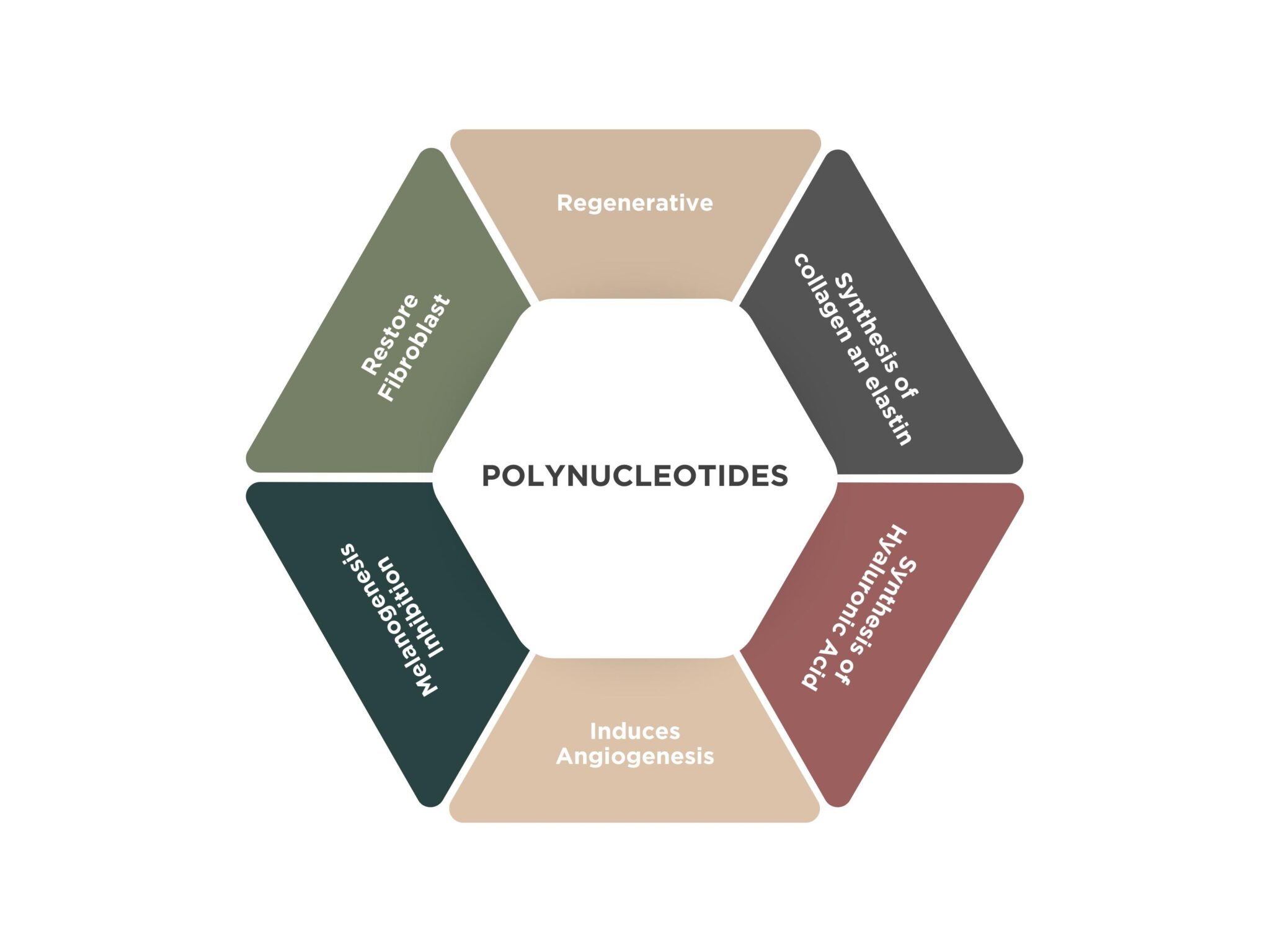
Polynucleotides have shown remarkable results in skin rejuvenation. They stimulate collagen, elastic production and stimulate the production of new skin cells.
This leads to improved skin texture and elasticity. Patients notice reduction in wrinkles and fine lines. The hydrating properties of polynucleotides further contribute to a youthful and radiant complexion.
Minimal Downtime
Compared to more invasive procedures, injectable treatments involving polynucleotides require minimal downtime.
Patients can often resume their daily activities shortly after treatment. This convenience makes it an attractive option for those with busy lifestyles or those who cannot afford lengthy recovery periods.
Long-Lasting Effects
The effects of polynucleotide injectables are not only immediate but also long-lasting.
They stimulate the body’s natural regenerative processes, leading to improvements that persist over time. This sustained benefit offers patients a cost-effective solution to their concerns, reducing the need for frequent touch-ups or additional treatments.
Polynucleotides vs Skin Boosters
Functionality Differences
Polynucleotides (PN) and skin boosters both aim to rejuvenate the skin, but their mechanisms of action differ significantly. PN treatments focus on repairing and regenerating the skin at a cellular level. They stimulate collagen production, improving elasticity and hydration from within.
Skin boosters, on the other hand, hydrate the skin by injecting hyaluronic acid directly into the dermis. This substance attracts water molecules, keeping the skin plump and moist. While both treatments enhance skin texture and appearance, PN offers a more holistic rejuvenation by also addressing underlying damage.
Treatment Duration
The longevity of results varies between PN treatments and skin boosters. Typically, PN effects last longer due to their regenerative properties. Patients may see improvements for up to 6-12 months.
Skin boosters need more frequent sessions for maintenance. Their effects usually last around 3-6 months before another treatment is required. This difference makes PN a more appealing option for those seeking longer-lasting outcomes.
Side Effects
Both treatments come with potential side effects, though they are generally minimal and temporary. They can cause bumps and redness at the injection site but these symptoms usually subside within 24-48 hours on average. The natural compatibility of polynucleotides with human cells minimizes the risk of adverse reactions. This makes it a safe option for those concerned about irritation or allergic responses.
Cost Implications
Investing in either treatment involves considering cost implications. Generally, polynucleotide treatments are priced higher than skin boosters due to their complex manufacturing process and longer-lasting effects.
However, given that skin boosters require more frequent applications, the total cost over time can be comparable between the two options. Patients should weigh the long-term benefits against initial outlays when deciding which treatment suits their needs best.
Injection Sites and Candidates
Skin Types
Polynucleotide treatments cater to a wide range of skin types. They benefit individuals with dry, aged, or sun-damaged skin. These treatments can rejuvenate the skin by promoting hydration and reducing fine lines.
Individuals with sensitive skin may also find polynucleotide injections suitable.
Target Areas
Facial areas, especially around the eyes, mouth, and forehead, are common injection sites. These regions often show early signs of ageing and can benefit significantly from the regenerative properties of polynucleotides.
The neck and décolletage area are also popular targets. Skin in these areas is prone to premature ageing due to sun exposure and environmental factors. Polynucleotide injections can help restore elasticity and smoothness.
Hands are another key focus area. They often betray a person’s age sooner than other body parts due to constant use and exposure. Polynucleotide treatments can reduce wrinkles and improve the overall appearance of the hands.
Ideal Candidates
People experiencing early signs of ageing are prime candidates for polynucleotide therapy. Those noticing fine lines, reduced skin elasticity, or dull complexion may see noticeable improvements post-treatment.
Individuals looking for preventative measures to delay ageing effects also stand to benefit. Regular polynucleotide injections can help maintain skin hydration and firmness, keeping the skin youthful for longer.
However, it’s not just about combating ageing. People with acne scars or uneven skin texture can experience enhanced skin healing and smoothing effects from these injections. This broadens the appeal of polynucleotides beyond just anti-ageing treatments.
Treatment Procedure
Preparation Phase
The journey to administering polynucleotides begins with thorough preparation. This stage is crucial for ensuring the treatment’s success and safety.
Healthcare providers must first assess the patient’s medical history and current health status. They look for potential contraindications or factors affecting the procedure’s outcome.
Next, the targeted area for injection is cleaned and sterilized. This step reduces the risk of infection, a paramount concern in any medical procedure. The preparation phase sets a solid foundation for the treatment, emphasising patient safety and treatment efficacy.
Injection Process
The core of the treatment lies in the precise injection of polynucleotides into predetermined sites. These sites, identified in the previous section on “Injection Sites and Candidates,” are carefully selected based on their potential for regeneration and response to therapy.
Medical practitioners inject small amounts of polynucleotide solution using fine needles directly into the tissue. The process requires skill and precision, as it aims to stimulate cellular repair without causing undue distress to the patient. It’s a delicate balance between delivering effective doses and maintaining patient comfort.
Post-Treatment Care
Patients are advised to:
- Stay upright for 4-6 hours post-treatment.
- Avoid strenuous activities for 24 hours post-injection.
- Avoid sauna, jacuzzi and facials for 2 weeks.
Combining Treatments
Synergy Effects
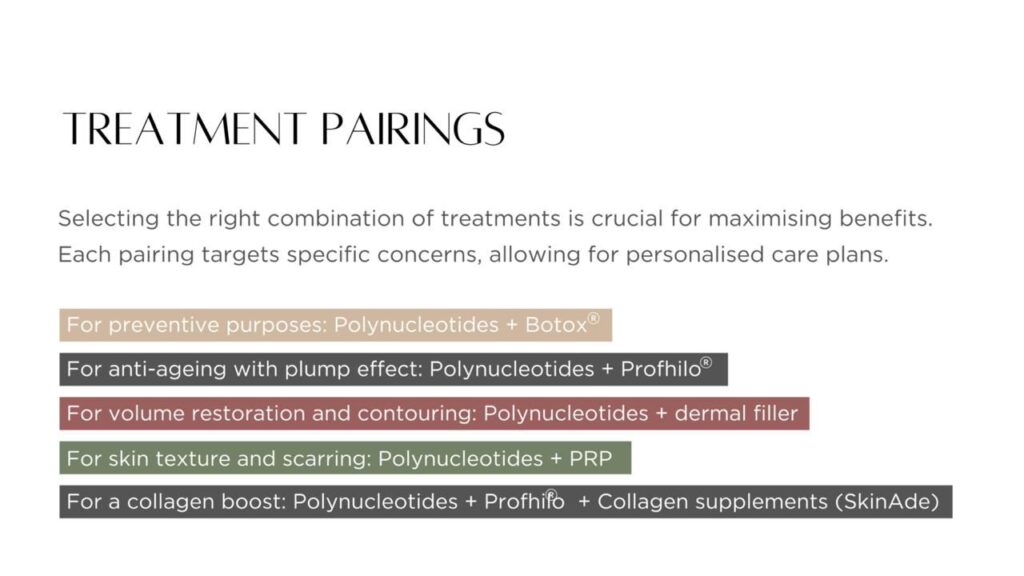
Polynucleotides, when combined with other treatments, can enhance healing and regeneration. This synergy is not just additive but multiplicative, offering patients improved outcomes.
Choosing a Practitioner
Credentials Check
Selecting a qualified practitioner becomes paramount after understanding the risks associated with polynucleotide treatments. It’s essential to verify their credentials rigorously.
Patients should ensure that the practitioner has a valid healthcare background and being regulated by a regulatory body such as GDC, GMC or NMC. They must also have specific training in administering polynucleotide therapies. This ensures they understand the intricacies of the procedure and can handle any complications.
Experience Matters
The practitioner’s experience plays a crucial role in ensuring successful outcomes. Look for professionals who have performed numerous polynucleotide treatments.
Ask for before-and-after photos of previous patients. This provides insight into the practitioner’s skill level and what you can expect from your treatment. It also helps set realistic expectations.
Consultation Quality
A thorough consultation before undergoing any treatment is vital. It allows you to gauge the practitioner’s expertise and approachability.
During the consultation, a good practitioner will assess your medical history comprehensively. They will explain the procedure, potential risks, and expected outcomes clearly. This transparency is crucial for building trust and ensuring you are well-informed.
Patient Reviews
Patient reviews offer valuable insights into their experiences with the practitioner. Look for feedback on various platforms to get a balanced view.
Positive reviews often highlight professionalism, care quality, and satisfaction with results. Pay attention to how practitioners respond to negative reviews, too. Their responses indicate their commitment to patient care and willingness to address concerns.
Cost Considerations
Synthesis Expenses
Polynucleotides, essential for various scientific and medical applications, involve complex synthesis processes. The cost of synthesizing these molecules can vary greatly depending on the sequence length and complexity.
The price increases with the sequence’s length. Short sequences might be relatively affordable, but longer ones require more resources and time. High-purity requirements further elevate the costs. Laboratories must use sophisticated equipment and reagents to achieve the desired purity levels.
Regulatory Compliance
Compliance with regulatory standards adds another layer to the cost structure. The production of polynucleotides for therapeutic use is subject to stringent regulations to ensure safety and efficacy.
Meeting these regulations involves rigorous testing, quality control measures, and documentation, all contributing to higher costs. However, adherence to these standards is non-negotiable for products intended for human use.
Intellectual Property Rights
Patents on specific polynucleotide sequences or synthesis methods can also affect costs. Using patented technology or sequences requires licensing agreements, which can be expensive.
Organizations must navigate the complex landscape of intellectual property rights to avoid infringement while developing their products. This often involves legal consultations and negotiation of licensing fees, further increasing project expenses.
Summary
Delving into the world of polynucleotides opens up a new frontier in skincare treatments, offering you rejuvenating options that promise superficial fixes and deeper, lasting benefits. From understanding the science behind these powerful molecules to navigating the plethora of treatment options available, including injectables and skin boosters, you’re now equipped with the knowledge to make informed decisions. The choice between polynucleotides and other treatments hinges on your specific needs, desired outcomes, and understanding of the potential risks. With insights on injection sites, ideal candidates, and cost considerations, you’re closer to achieving that coveted youthful glow.
Choosing the right practitioner becomes paramount; your safety and satisfaction rest in their hands. Remember, the journey to radiant skin is a partnership between you and your chosen expert. Embrace this opportunity to transform your skin’s health from within. Ready to take the next step? Contact a trusted professional today and explore how polynucleotides can elevate your skincare routine.
Frequently Asked Questions
What are polynucleotides and how do they benefit the skin?
They are the backbones of DNA and RNA. They stimulate new fibroblast cell proliferation and enhance elastin and collagen production, causing a regenerative effect on the skin.
How do polynucleotide injectable treatments compare to skin boosters?
Polynucleotide injections focus on deep hydration and long-term skin regeneration, while skin boosters provide immediate hydration and luminosity. Polynucleotides offer more sustained improvements in skin quality over time.
Who is an ideal candidate for polynucleotide injection treatments?
Ideal candidates are those experiencing signs of ageing, such as fine lines, wrinkles, and decreased skin elasticity, or anyone seeking enhanced skin hydration and firmness. It’s suitable for all skin types.
What does the treatment procedure involve?
The procedure involves injecting small amounts of polynucleotide solution into targeted areas of the face or body. It’s minimally invasive, performed using fine needles with minimal discomfort, often completed within 30 to 60 minutes.
How long do the results of polynucleotide treatments last?
Results can be noticeable after the first session but typically improve over subsequent weeks. The effects can last up to 6 – 12 months, depending on factors like age, lifestyle, and skin condition.
Can polynucleotide treatments be combined with other cosmetic procedures?
Combining polynucleotide treatments with procedures like fillers or Botox can enhance overall aesthetic outcomes. It’s important to consult with a qualified practitioner to tailor a treatment plan that meets your specific needs.
What are the risks associated with polynucleotide injections?
While generally safe, some may experience minor side effects such as redness, swelling, or bruising at injection sites. Serious complications are rare when performed by an experienced practitioner.
How should I choose a practitioner for polynucleotide treatments?
Select a licensed healthcare professional with specialised training in aesthetic medicine and experience in administering injectable treatments. Look for practitioners who prioritise patient safety and have positive reviews or testimonials.
What are the cost considerations for polynucleotide treatments?
Costs vary based on treatment area size, required dosage, and practitioner expertise. Generally considered an investment in long-term skin health, discussing pricing and packages during consultation for tailored information is advisable.